

Amber hot glue is a versatile and widely used adhesive in various industries, especially in the production of baby diapers and adult incontinence products. As a trusted Amber Hot Glue supplier, I often receive inquiries about the melting temperature of this adhesive. In this blog post, I will delve into the science behind the melting temperature of Amber Hot Glue, its significance, and how it impacts the application process.

Understanding the Basics of Amber Hot Glue
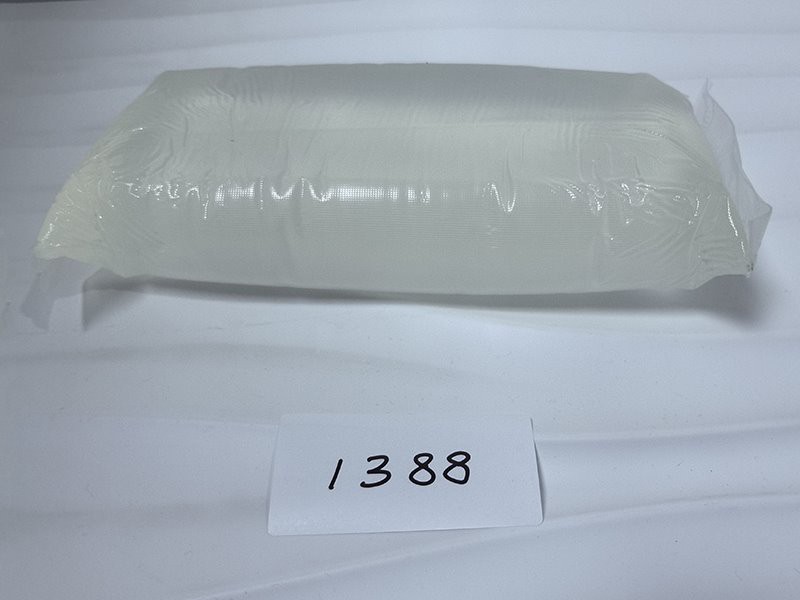
Amber Hot Glue is a type of hot-melt adhesive that is known for its excellent bonding properties, flexibility, and resistance to moisture. It is typically made from a blend of polymers, resins, and waxes, which are carefully formulated to provide optimal performance in different applications. The amber color of the glue is due to the presence of certain additives and pigments, which also contribute to its unique properties.
One of the key advantages of Amber Hot Glue is its ability to bond quickly and securely to a variety of substrates, including paper, cardboard, plastic, and fabric. This makes it an ideal choice for applications where a strong and durable bond is required, such as in the manufacturing of baby diapers, adult incontinence products, and other disposable hygiene items.
The Melting Temperature of Amber Hot Glue
The melting temperature of Amber Hot Glue is a critical factor that determines its performance and usability. It refers to the temperature at which the solid glue transitions into a liquid state, allowing it to be applied to the substrate. The melting temperature of Amber Hot Glue typically ranges from 160°C to 190°C (320°F to 374°F), depending on the specific formulation and application requirements.
It is important to note that the melting temperature of Amber Hot Glue is not a fixed value but can vary depending on several factors, including the type of polymers and resins used, the presence of additives and fillers, and the manufacturing process. Therefore, it is essential to consult the product specifications provided by the manufacturer to determine the exact melting temperature of the Amber Hot Glue you are using.
Significance of the Melting Temperature
The melting temperature of Amber Hot Glue plays a crucial role in the application process and the quality of the bond. If the glue is heated to a temperature below its melting point, it will remain in a solid state and will not be able to flow and bond effectively to the substrate. On the other hand, if the glue is heated to a temperature above its melting point, it may become too fluid and lose its bonding strength, resulting in a weak or unreliable bond.
Therefore, it is essential to maintain the glue at the correct melting temperature throughout the application process to ensure optimal performance. This can be achieved by using a hot-melt glue gun or a heated adhesive dispenser that is specifically designed for Amber Hot Glue. These devices are equipped with temperature control mechanisms that allow you to set and maintain the desired melting temperature of the glue.
Factors Affecting the Melting Temperature
As mentioned earlier, the melting temperature of Amber Hot Glue can be influenced by several factors. Some of the key factors that can affect the melting temperature include:
- Polymer Composition: The type and amount of polymers used in the formulation of Amber Hot Glue can have a significant impact on its melting temperature. Different polymers have different melting points, and the combination of polymers used in the glue can affect its overall melting behavior.
- Resin Content: Resins are added to Amber Hot Glue to improve its bonding strength, flexibility, and tackiness. The type and amount of resin used in the glue can also affect its melting temperature. Resins with higher melting points will generally result in a higher melting temperature for the glue.
- Additives and Fillers: Additives and fillers are often added to Amber Hot Glue to enhance its performance and properties. These additives can include antioxidants, stabilizers, plasticizers, and pigments. The presence of these additives can affect the melting temperature of the glue, depending on their chemical properties and concentration.
- Manufacturing Process: The manufacturing process used to produce Amber Hot Glue can also affect its melting temperature. Factors such as the mixing time, temperature, and pressure during the manufacturing process can influence the final properties of the glue, including its melting temperature.
Applications of Amber Hot Glue
Amber Hot Glue is widely used in various industries, including the disposable hygiene industry, packaging industry, and woodworking industry. Some of the common applications of Amber Hot Glue include:
- Baby Diapers and Adult Incontinence Products: Amber Hot Glue is used in the manufacturing of baby diapers and adult incontinence products to bond the various components together, such as the absorbent core, the backsheet, and the elastic bands. The strong and durable bond provided by Amber Hot Glue ensures that the products remain intact and functional during use.
- Packaging: Amber Hot Glue is used in the packaging industry to seal cartons, boxes, and envelopes. The quick bonding properties of Amber Hot Glue make it an ideal choice for high-speed packaging applications.
- Woodworking: Amber Hot Glue is used in the woodworking industry to bond wood pieces together, such as in the construction of furniture and cabinets. The strong and flexible bond provided by Amber Hot Glue ensures that the wood pieces remain securely attached.
Conclusion
In conclusion, the melting temperature of Amber Hot Glue is a critical factor that determines its performance and usability. It is essential to maintain the glue at the correct melting temperature throughout the application process to ensure optimal performance and a strong and durable bond. As a trusted Amber Hot Glue supplier, we offer a wide range of high-quality Amber Hot Glue products that are specifically formulated to meet the needs of different industries and applications.
If you are interested in learning more about our Amber Hot Glue products or would like to discuss your specific requirements, please do not hesitate to contact us. We are always happy to help and look forward to working with you.
References
- ASTM International. (2021). Standard Test Method for Softening Point of Hydrocarbon Resins by Ring - and - Ball Apparatus. ASTM D36 - 19.
- Mark, J. E. (Ed.). (2007). Physical Properties of Polymers Handbook. Springer Science & Business Media.