

When it comes to sealant applications, the choice of adhesive is crucial. One option that often comes into consideration is heat resistant hot glue. As a supplier of Heat Resistant Hot Glue, I've had the opportunity to see firsthand how this product can be used in various scenarios, including sealant applications. In this blog, we'll explore whether heat resistant hot glue can be effectively used for bonding in sealant applications.
Understanding Heat Resistant Hot Glue
Heat resistant hot glue is a type of adhesive that can withstand high temperatures without losing its bonding properties. It is typically made from thermoplastic polymers that melt when heated and solidify when cooled, creating a strong bond. This makes it suitable for applications where the adhesive may be exposed to heat, such as in industrial settings or in products that are used in high-temperature environments.
One of the key advantages of heat resistant hot glue is its versatility. It can be used to bond a wide range of materials, including plastics, metals, wood, and ceramics. This makes it a popular choice for many different types of applications, from DIY projects to industrial manufacturing.
Sealant Applications and the Role of Adhesives
Sealant applications are designed to prevent the leakage of fluids, gases, or other substances. They are commonly used in construction, automotive, and manufacturing industries to seal joints, gaps, and seams. Adhesives play a crucial role in sealant applications, as they help to create a strong and durable bond between the surfaces being sealed.
In sealant applications, the adhesive needs to have several important properties. It should be able to form a tight seal to prevent leakage, have good adhesion to the surfaces being bonded, and be resistant to environmental factors such as heat, moisture, and chemicals. Additionally, the adhesive should be easy to apply and have a reasonable working time to allow for proper installation.
Can Heat Resistant Hot Glue Be Used for Bonding in Sealant Applications?
The answer to this question depends on several factors. In some cases, heat resistant hot glue can be an effective choice for bonding in sealant applications. Here are some considerations:
Temperature Resistance
One of the main advantages of heat resistant hot glue is its ability to withstand high temperatures. This makes it suitable for sealant applications where the adhesive may be exposed to heat, such as in automotive engines or industrial ovens. If the sealant application involves high temperatures, heat resistant hot glue can provide a reliable bond that will not break down under the heat.
Adhesion to Different Materials
Heat resistant hot glue can bond well to a variety of materials, including plastics, metals, and ceramics. This makes it a versatile option for sealant applications where different types of materials need to be bonded together. However, it's important to note that the adhesion strength may vary depending on the specific materials being bonded and the surface preparation.
Sealing Properties
Heat resistant hot glue can form a tight seal, which is essential for preventing leakage in sealant applications. However, the sealing performance may depend on the application method and the thickness of the adhesive layer. It's important to ensure that the adhesive is applied evenly and that there are no gaps or air bubbles that could compromise the seal.
Environmental Resistance
In addition to heat resistance, heat resistant hot glue can also be resistant to moisture, chemicals, and other environmental factors. This makes it suitable for sealant applications in harsh environments where the adhesive needs to withstand exposure to these elements.
Limitations
While heat resistant hot glue has many advantages, it also has some limitations. For example, it may not be suitable for applications where a flexible seal is required, as it can become brittle over time. Additionally, the bonding strength may decrease if the adhesive is exposed to extreme temperatures or if the surfaces are not properly prepared.
Applications of Heat Resistant Hot Glue in Sealant Applications
Heat resistant hot glue can be used in a variety of sealant applications, including:
Automotive Industry
In the automotive industry, heat resistant hot glue can be used to seal joints and gaps in engines, transmissions, and other components. It can also be used to bond gaskets and seals, providing a reliable seal that can withstand high temperatures and vibrations.
Industrial Manufacturing
In industrial manufacturing, heat resistant hot glue can be used to seal pipes, tanks, and other equipment. It can also be used to bond components together, providing a strong and durable bond that can withstand the rigors of industrial environments.
Construction Industry
In the construction industry, heat resistant hot glue can be used to seal windows, doors, and other openings. It can also be used to bond insulation materials, providing a tight seal that can help to reduce energy consumption.
Choosing the Right Heat Resistant Hot Glue for Sealant Applications
When choosing a heat resistant hot glue for sealant applications, it's important to consider the following factors:
Temperature Resistance
Make sure the hot glue has a high enough temperature resistance for the specific application. Consider the maximum temperature the adhesive will be exposed to and choose a product that can withstand that temperature.
Adhesion Strength
Look for a hot glue that has good adhesion to the materials being bonded. Consider the surface preparation required and make sure the adhesive is compatible with the materials.
Sealing Properties
Choose a hot glue that can form a tight seal and prevent leakage. Consider the application method and the thickness of the adhesive layer to ensure a proper seal.

Environmental Resistance
If the sealant application will be exposed to moisture, chemicals, or other environmental factors, choose a hot glue that is resistant to these elements.
Our Heat Resistant Hot Glue Products
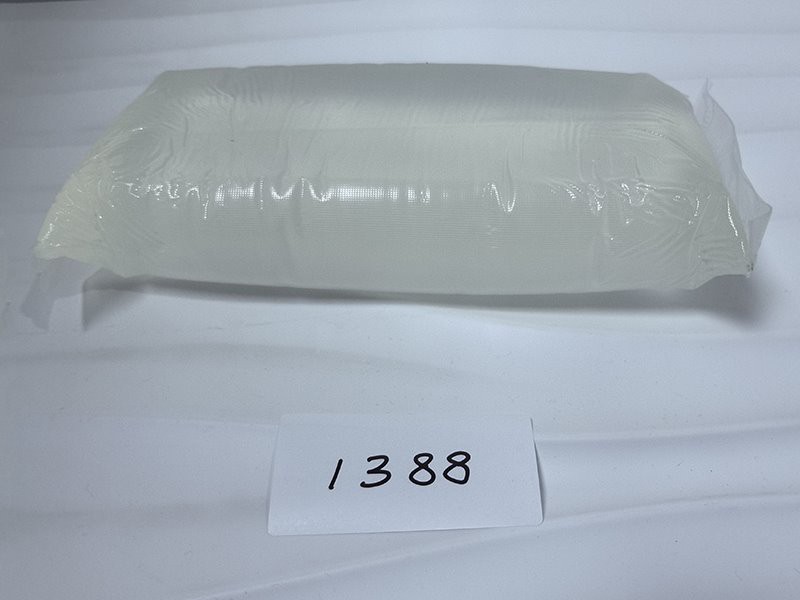
As a supplier of Heat Resistant Hot Glue, we offer a range of products that are suitable for sealant applications. Our Heat Resistant Hot Glue is designed to provide a strong and durable bond that can withstand high temperatures and environmental factors.
In addition to our heat resistant hot glue, we also offer other types of adhesives, such as Diaper Rubber Band Adhesive and Metallocene Adhesive. These products are designed to meet the specific needs of different industries and applications.
Conclusion
In conclusion, heat resistant hot glue can be an effective choice for bonding in sealant applications. It offers several advantages, including high temperature resistance, good adhesion to different materials, and the ability to form a tight seal. However, it's important to consider the specific requirements of the application and choose the right product for the job.
If you're interested in learning more about our heat resistant hot glue products or other adhesives, please feel free to contact us. We're happy to provide more information and help you choose the right product for your sealant applications.
References
- ASTM International. (2023). Standard Test Methods for Determining the Strength Properties of Adhesives in Shear by Tension Loading (Metal-to-Metal). ASTM D1002 - 10(2023).
- ISO. (2023). Adhesives - Determination of Tensile Lap-Shear Strength of Rigid-to-Rigid Adhesive Bonds. ISO 4587:2023.