

As a supplier of water soluble hot melt adhesive, I often encounter inquiries about its potential applications in various industries. One question that frequently arises is whether water soluble hot melt adhesive can be used for furniture assembly. In this blog post, I will explore this topic in detail, discussing the properties of water soluble hot melt adhesive, its advantages and disadvantages for furniture assembly, and real - world examples of its usage.
Properties of Water Soluble Hot Melt Adhesive
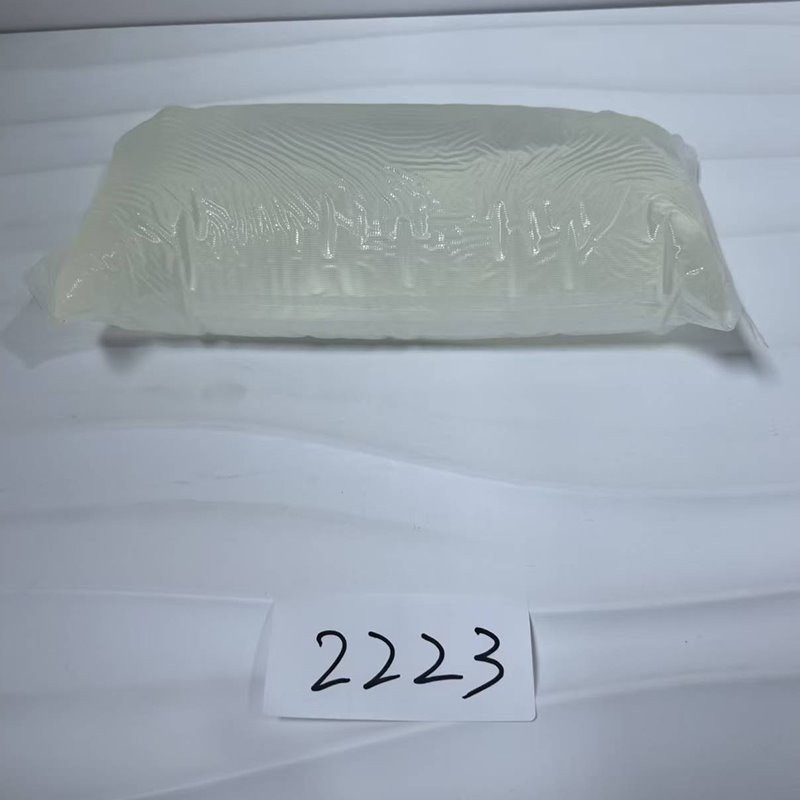
Water soluble hot melt adhesive is a type of adhesive that combines the characteristics of hot melt adhesives and water solubility. When heated, it becomes a liquid and can be easily applied to surfaces. Once it cools down, it solidifies and forms a strong bond. What sets it apart from traditional hot melt adhesives is its ability to dissolve in water under certain conditions.
This type of adhesive is typically made from polymers that have hydrophilic groups, which allow them to interact with water molecules. The solubility can be controlled by adjusting the chemical composition of the adhesive, such as the type and amount of polymers used, as well as the addition of other additives.
Advantages of Using Water Soluble Hot Melt Adhesive in Furniture Assembly
Environmental Friendliness
In today's world, environmental concerns are at the forefront of many industries, including furniture manufacturing. Water soluble hot melt adhesive is a more environmentally friendly option compared to some traditional adhesives. Since it can dissolve in water, it is easier to clean up and dispose of. This reduces the amount of waste and the potential harm to the environment. For example, if there is an excess of adhesive during the assembly process, it can be simply washed away with water instead of being left as a solid waste.
Easy Disassembly and Recycling
Furniture often needs to be disassembled for transportation, storage, or recycling purposes. Water soluble hot melt adhesive makes this process much easier. By immersing the bonded parts in water, the adhesive can be dissolved, allowing the furniture components to be separated without causing damage. This is particularly beneficial for the recycling industry, as it enables the reuse of furniture materials. For instance, wooden parts can be separated from each other and then recycled into new furniture or other wood products.
Good Bonding Strength
Despite its water - soluble nature, water soluble hot melt adhesive can provide a relatively strong bond for furniture assembly. It can adhere well to a variety of materials commonly used in furniture, such as wood, particleboard, and MDF (medium - density fiberboard). This ensures that the furniture pieces stay together during normal use. For example, when assembling a wooden chair, the adhesive can hold the joints firmly, providing stability and durability.
Quick Setting Time
Like other hot melt adhesives, water soluble hot melt adhesive has a quick setting time. Once it is applied and cooled, it solidifies rapidly, allowing for efficient furniture assembly. This reduces the production time and increases the productivity of furniture manufacturing plants. For example, in a mass - production environment, workers can quickly assemble furniture pieces and move on to the next one without having to wait for a long time for the adhesive to dry.

Disadvantages of Using Water Soluble Hot Melt Adhesive in Furniture Assembly
Limited Resistance to Moisture
One of the main drawbacks of water soluble hot melt adhesive is its limited resistance to moisture. Since it is designed to dissolve in water, it may not be suitable for furniture that will be exposed to high levels of humidity or water. For example, furniture used in bathrooms or kitchens may require an adhesive with better moisture resistance. If the furniture is exposed to water for an extended period, the adhesive may start to dissolve, weakening the bond between the furniture parts.
Lower Temperature Resistance
Water soluble hot melt adhesive generally has a lower temperature resistance compared to some traditional hot melt adhesives. In high - temperature environments, the adhesive may soften or lose its bonding strength. This can be a problem for furniture that will be placed in areas with high temperatures, such as near a heater or in a sunny room. For example, if a wooden table is placed in direct sunlight for a long time, the adhesive may start to fail, causing the table to come apart.
Higher Cost
In some cases, water soluble hot melt adhesive may be more expensive than traditional adhesives. The cost of producing water - soluble polymers and the additional processing steps required to make the adhesive water - soluble can contribute to the higher price. This may be a concern for furniture manufacturers who are trying to keep their production costs down.
Real - World Examples of Using Water Soluble Hot Melt Adhesive in Furniture Assembly
There are already some real - world applications of water soluble hot melt adhesive in furniture assembly. For example, some furniture manufacturers use this type of adhesive to assemble flat - pack furniture. The easy disassembly feature of the adhesive makes it convenient for customers to assemble and disassemble the furniture at home. Additionally, some eco - friendly furniture brands are using water soluble hot melt adhesive to meet their environmental goals.
In the office furniture industry, water soluble hot melt adhesive is also being explored for use in assembling modular furniture. The ability to quickly assemble and disassemble the furniture allows for easy reconfiguration of office spaces, which is becoming increasingly important in modern workplaces.
Other Applications of Water Soluble Hot Melt Adhesive
Water soluble hot melt adhesive has a wide range of applications beyond furniture assembly. It is commonly used in the hygiene product industry. For example, Adhesive Specifically for Sanitary Napkin Cores is an important application. The water - soluble property of the adhesive allows for easy processing and disposal of sanitary napkins. Another application is Hmt Hot Melt, which is used in the production of various hygiene products. Hot Melt Psa is also a type of water soluble hot melt adhesive that is widely used in different industries.
Conclusion
In conclusion, water soluble hot melt adhesive has both advantages and disadvantages when it comes to furniture assembly. Its environmental friendliness, easy disassembly, good bonding strength, and quick setting time make it an attractive option for certain types of furniture. However, its limited resistance to moisture and temperature, as well as its higher cost, may restrict its use in some situations.
If you are a furniture manufacturer and are considering using water soluble hot melt adhesive for your products, it is important to carefully evaluate your specific needs and the conditions in which the furniture will be used. Our company offers high - quality water soluble hot melt adhesive, and we are more than willing to discuss your requirements and provide you with the best solutions. If you are interested in purchasing our products or have any questions, please feel free to contact us for a procurement negotiation.
References
- "Handbook of Adhesives and Sealants", edited by Henry S. Katz and Allan J. Lee.
- "Adhesive Technology: An Introduction", by J. D. Minford.