

Hey there! As a heat melt glue supplier, I often get asked some pretty interesting questions about where our products can be used. One question that recently popped up is, "Can heat melt glue be used for making socks?" Let's dig into this topic and see what we can find out.
First off, let's talk a bit about what heat melt glue is. Heat melt glue, also known as hot melt adhesive, is a type of adhesive that's solid at room temperature. When you heat it up, it turns into a liquid that can be used to bond different materials together. It cools down quickly and forms a strong bond. There are different types of heat melt glue, like Heat Resistant Hot Glue, High Strength Hot Melt Glue, and Polyolefin Hot Melt. Each type has its own unique properties and is suitable for different applications.
Now, let's think about making socks. Socks are typically made from fabrics like cotton, wool, or synthetic materials. These fabrics need to be flexible, stretchy, and comfortable to wear. When it comes to using heat melt glue in sock production, there are a few things to consider.
One of the main advantages of using heat melt glue in sock making is the speed of the bonding process. Since it cools down quickly, it can help increase the production efficiency. For example, if you're attaching a decorative element to a sock, heat melt glue can do the job in no time. It also provides a strong bond, which is important to ensure that the different parts of the sock stay together, especially when the sock is being stretched and moved around during wear.
However, there are also some challenges. One big issue is the flexibility of the glue. Socks need to be able to stretch a lot, and if the glue isn't flexible enough, it can crack or break when the sock is stretched. This could lead to the decorative elements or other parts coming loose. Another concern is the comfort factor. Heat melt glue can feel stiff and rough on the skin, which might not be ideal for socks that are in direct contact with the feet.
Let's take a closer look at the different types of heat melt glue and how they might work for sock making.
Heat Resistant Hot Glue is designed to withstand high temperatures. This could be useful in some sock-making processes where heat is involved, like when using certain types of fabric treatments. But again, its flexibility and comfort need to be evaluated. If it's too hard or inflexible, it might not be a good choice for socks.
High Strength Hot Melt Glue offers a very strong bond. This is great for ensuring that the different parts of the sock stay together, but it also needs to be flexible enough. If it's too strong and not flexible, it could cause the sock to lose its stretchiness.

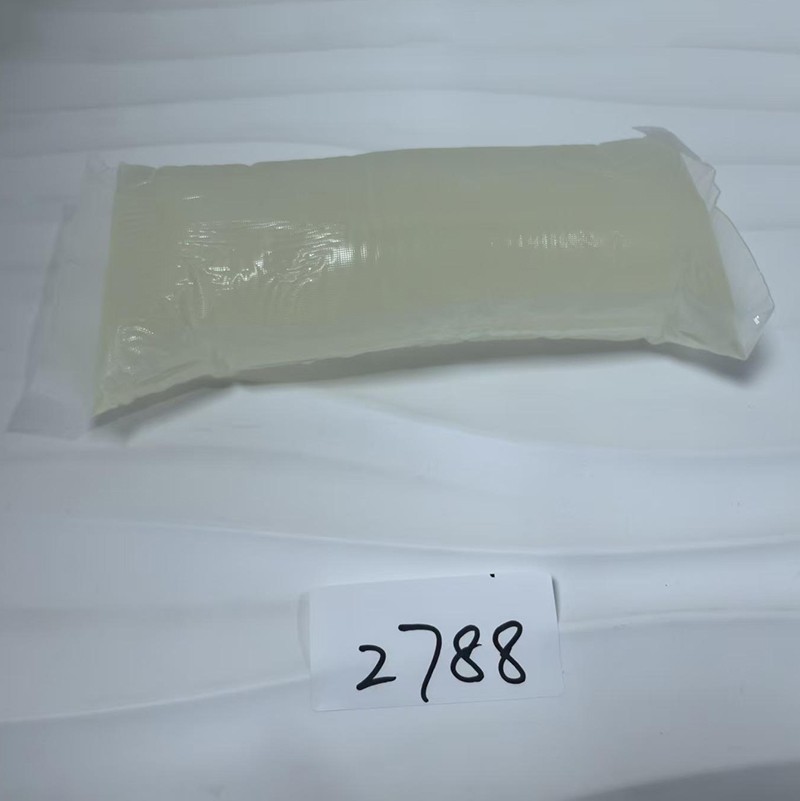
Polyolefin Hot Melt is known for its good adhesion and flexibility. It might be a better option for sock making compared to the other two types. It can provide a strong bond while still allowing the sock to stretch without cracking the glue.
In some cases, heat melt glue can be used for specific parts of sock production. For example, it can be used to attach labels or small decorative patches. These parts don't need to stretch as much as the main body of the sock, so the glue's lack of flexibility might not be as much of an issue.
But for the main body of the sock, where a high degree of stretch and comfort is required, traditional sewing methods are still the most common choice. Sewing allows the fabric to move and stretch naturally without the restrictions of a glue bond.
So, can heat melt glue be used for making socks? The answer is yes, but with some limitations. It can be a useful tool for certain aspects of sock production, but it's not a one-size-fits-all solution.
If you're in the sock-making industry and are interested in exploring the use of heat melt glue, I'd love to have a chat with you. We can discuss your specific needs and see which type of heat melt glue might be the best fit for your production process. Whether you're looking for a way to increase efficiency or add some unique features to your socks, we can work together to find the right solution.
In conclusion, while heat melt glue has its place in sock making, it's important to carefully consider its properties and how they will affect the final product. With the right approach, it can be a valuable addition to your sock production toolkit.
References
- Industry research on heat melt glue applications
- Studies on fabric properties and bonding methods in textile production