

As a supplier of Low Temp Hot Melt, I've delved deep into the world of this remarkable adhesive. The chemical composition of Low Temp Hot Melt plays a pivotal role in determining its performance, and understanding these relationships is crucial for both manufacturers and end - users.
The Basics of Low Temp Hot Melt
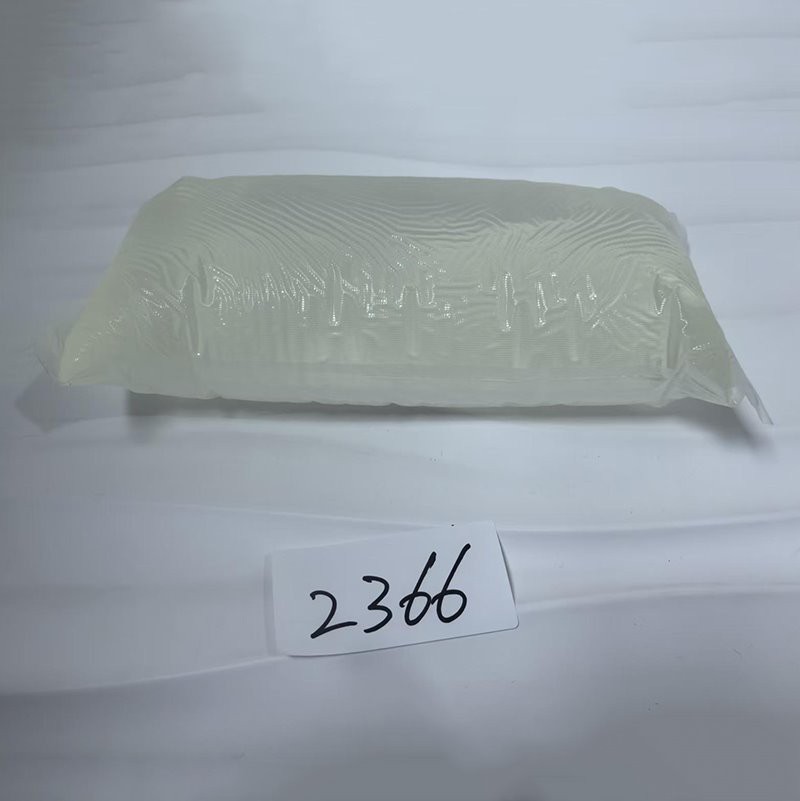
Low Temp Hot Melt, also known as Low Temperature Hot Melt Glue, is a type of Thermoplastic Hot Melt Adhesive that is designed to operate at lower temperatures compared to traditional hot melt adhesives. This characteristic makes it suitable for applications where heat - sensitive materials are involved.
Key Components and Their Impact on Performance
Polymers
Polymers are the backbone of Low Temp Hot Melt. They provide the adhesive with its fundamental properties such as cohesion and adhesion. Different types of polymers can have a significant impact on the performance of the adhesive.
-
Ethylene - Vinyl Acetate (EVA): EVA is one of the most commonly used polymers in Low Temp Hot Melt. It offers good flexibility, adhesion to a variety of substrates, and a relatively low melting point. The vinyl acetate content in EVA can be adjusted to fine - tune the properties of the adhesive. A higher vinyl acetate content generally results in better adhesion and flexibility but may also reduce the heat resistance of the adhesive. For example, in applications where a strong bond is required on porous materials like paper or cardboard, an EVA - based Low Temp Hot Melt can provide excellent results.
-
Polyolefins: Polyolefins, such as polyethylene and polypropylene, are also used in Low Temp Hot Melt formulations. They offer high chemical resistance, good heat stability, and low moisture absorption. Polyolefin - based adhesives are often used in applications where durability and resistance to environmental factors are important, such as in packaging and automotive industries.
Tackifiers
Tackifiers are substances that increase the tack or stickiness of the adhesive. They play a crucial role in the initial bonding process of Low Temp Hot Melt.
-
Rosin - based tackifiers: Rosin is a natural resin that is commonly used as a tackifier in Low Temp Hot Melt. It provides good tack at low temperatures and can improve the adhesion of the adhesive to various substrates. Rosin - based tackifiers are often used in applications where quick bonding is required, such as in the assembly of disposable products.
-
Hydrocarbon - based tackifiers: Hydrocarbon tackifiers offer excellent heat resistance and compatibility with a wide range of polymers. They can enhance the overall performance of the adhesive, especially in high - temperature applications. For example, in the manufacturing of electronic devices, hydrocarbon - based tackifiers can ensure a reliable bond even under elevated temperatures.
Plasticizers
Plasticizers are added to Low Temp Hot Melt to improve its flexibility and processability. They reduce the glass transition temperature of the adhesive, making it more pliable at lower temperatures.
-
Phthalate plasticizers: Phthalate plasticizers were commonly used in the past, but due to environmental and health concerns, their use has been restricted in many applications. However, they still offer good plasticizing properties and can improve the low - temperature flexibility of the adhesive.

-
Non - phthalate plasticizers: Non - phthalate plasticizers, such as adipates and sebacates, are becoming more popular as alternatives to phthalate plasticizers. They provide similar plasticizing effects without the associated health risks. In applications where environmental friendliness is a priority, non - phthalate plasticizers are the preferred choice.
Performance Metrics and the Role of Chemical Composition
Adhesion
The adhesion of Low Temp Hot Melt is directly influenced by its chemical composition. The polymers and tackifiers in the adhesive determine its ability to bond to different substrates. For example, an adhesive with a high - vinyl - acetate - content EVA polymer and a rosin - based tackifier will have good adhesion to paper and cardboard. On the other hand, a polyolefin - based adhesive with a hydrocarbon - based tackifier may be more suitable for bonding to plastics and metals.
Cohesion
Cohesion refers to the internal strength of the adhesive. The polymers in Low Temp Hot Melt play a key role in determining its cohesion. A well - formulated adhesive with the right combination of polymers will have high cohesion, which means it can withstand stress without breaking apart. For example, in a packaging application, a Low Temp Hot Melt with good cohesion will ensure that the package remains intact during handling and transportation.
Heat Resistance
The heat resistance of Low Temp Hot Melt is affected by the choice of polymers and additives. Polymers with high melting points, such as polyolefins, can improve the heat resistance of the adhesive. Additionally, the use of heat - resistant tackifiers and stabilizers can further enhance the adhesive's ability to withstand high temperatures. In applications where the adhesive will be exposed to elevated temperatures, such as in automotive interiors or electronic devices, heat - resistant Low Temp Hot Melt is essential.
Viscosity
Viscosity is an important property of Low Temp Hot Melt, as it affects its flow and application characteristics. The chemical composition of the adhesive, including the polymers, tackifiers, and plasticizers, can influence its viscosity. For example, a higher concentration of polymers will generally result in a higher viscosity, while the addition of plasticizers can lower the viscosity. In applications where precise application is required, such as in the manufacturing of small - scale products, controlling the viscosity of the adhesive is crucial.
Applications and the Importance of Chemical Composition
The performance of Low Temp Hot Melt in different applications is closely related to its chemical composition.
Sanitary Napkin Manufacturing
In the production of sanitary napkins, Low Temp Hot Melt Glue is used to bond various layers of materials together. The adhesive needs to have good adhesion to the non - woven fabrics and other components of the sanitary napkin. A Low Temp Hot Melt with a suitable polymer and tackifier combination can ensure a strong and reliable bond, while also being gentle on the skin.
Packaging
In the packaging industry, Low Temp Hot Melt is used for sealing boxes and cartons. The adhesive needs to have good adhesion to different types of packaging materials, such as paperboard and corrugated cardboard. A Low Temp Hot Melt with high cohesion and good heat resistance can ensure that the packages remain sealed during storage and transportation.
Electronics
In the electronics industry, Low Temp Hot Melt is used for bonding components and securing wires. The adhesive needs to have good electrical insulation properties and be able to withstand the heat generated by the electronic devices. A Low Temp Hot Melt with a high - quality polymer and heat - resistant additives can meet these requirements.
Conclusion
The chemical composition of Low Temp Hot Melt has a profound impact on its performance. By carefully selecting the polymers, tackifiers, plasticizers, and other additives, we can tailor the adhesive to meet the specific needs of different applications. As a supplier of Low Temp Hot Melt, we are committed to providing high - quality products that offer excellent performance. If you are in the market for Low Temp Hot Melt and would like to discuss your specific requirements, we invite you to contact us for a detailed procurement discussion. We are here to help you find the best adhesive solution for your needs.
References
- Owen, M. J. (2001). Adhesion and Adhesives Technology: An Introduction. CRC Press.
- Pocius, A. V. (2002). Adhesion and Adhesives Technology: An Introduction. Hanser Gardner Publications.