

As a seasoned supplier of Hot Melt Pressure - Sensitive Adhesives (Hot Melt Psa), I've witnessed firsthand the critical role that viscosity plays in the performance of these adhesives. Viscosity, in simple terms, refers to the resistance of a fluid to flow. In the context of Hot Melt Psa, it significantly impacts application processes, bonding strength, and overall product quality. In this blog, I'll share some insights on how to adjust the viscosity of Hot Melt Psa effectively.
Understanding the Basics of Viscosity in Hot Melt Psa
Before delving into the adjustment methods, it's essential to understand the factors that influence the viscosity of Hot Melt Psa. The viscosity of a hot melt adhesive is primarily determined by its chemical composition, temperature, and the presence of additives.
The base polymers used in Hot Melt Psa, such as styrene - block copolymers, ethylene - vinyl acetate (EVA), and polyolefins, have different inherent viscosities. The molecular weight of these polymers also plays a crucial role. Higher molecular weight polymers generally result in higher viscosity adhesives.
Temperature is another key factor. Hot Melt Psa is applied in a molten state, and as the temperature increases, the viscosity decreases. This is because heat provides the energy for the polymer chains to move more freely, reducing the internal resistance to flow.

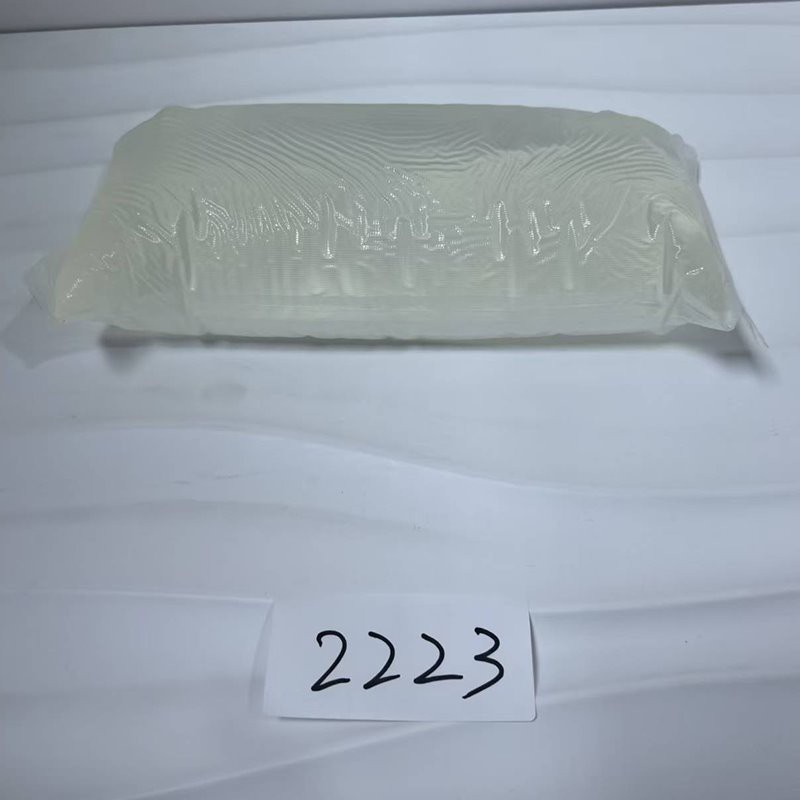
Additives can also modify the viscosity of Hot Melt Psa. For example, tackifiers are commonly used to increase the tackiness and can also affect the viscosity. Plasticizers, on the other hand, can lower the viscosity by reducing the intermolecular forces between polymer chains.
Methods for Adjusting Viscosity
Temperature Control
One of the simplest and most common ways to adjust the viscosity of Hot Melt Psa is by controlling the application temperature. Most Hot Melt Psa products have a recommended temperature range for application. By increasing the temperature within this range, the viscosity of the adhesive decreases, making it easier to apply.
For instance, if you're using a Medium Temperature Sanitary Napkin Adhesive, you can gradually increase the temperature to achieve a lower viscosity for better spreadability during the production of sanitary napkins. However, it's important not to exceed the maximum recommended temperature, as this can cause thermal degradation of the adhesive, leading to reduced performance and potential quality issues.
Polymer Selection
As mentioned earlier, different polymers have different viscosities. When formulating a Hot Melt Psa, the choice of polymer can be adjusted to achieve the desired viscosity. For example, if a lower viscosity is required, polymers with lower molecular weights can be selected.
EVA polymers are widely used in Hot Melt Psa due to their good balance of properties. By choosing an EVA with a lower melt index (which indicates a higher molecular weight), you can increase the viscosity of the adhesive. Conversely, using an EVA with a higher melt index will result in a lower - viscosity adhesive.
Additive Modification
Tackifiers are one of the most commonly used additives in Hot Melt Psa. They not only increase the tackiness of the adhesive but also affect its viscosity. Resin - based tackifiers, such as rosin esters and hydrocarbon resins, can increase the viscosity of the adhesive. The amount and type of tackifier used can be adjusted to fine - tune the viscosity.
Plasticizers are another type of additive that can be used to lower the viscosity. They work by reducing the intermolecular forces between polymer chains, allowing them to move more freely. Common plasticizers include mineral oils and low - molecular - weight polymers. However, it's important to use plasticizers in moderation, as excessive use can reduce the bonding strength of the adhesive.
Case Studies
Case 1: Sanitary Product Manufacturing
In the production of sanitary products, such as sanitary napkins, the viscosity of the Hot Melt Psa needs to be carefully controlled. A manufacturer was experiencing issues with uneven adhesive application, which led to product quality problems. By adjusting the temperature of the Low - odor Adhesive for Hygiene Products they were using, they were able to achieve a lower viscosity, resulting in more uniform adhesive distribution and improved product quality.
Case 2: Packaging Industry
In the packaging industry, a company was looking for a way to improve the efficiency of their adhesive application process. They were using a high - viscosity Hot Melt Psa that was difficult to apply. By adding a small amount of plasticizer to the adhesive, they were able to reduce the viscosity, making it easier to apply and increasing the production speed.
Quality Control and Testing
Once the viscosity of the Hot Melt Psa has been adjusted, it's important to conduct quality control tests to ensure that the adhesive meets the required specifications. Viscosity can be measured using a viscometer, which provides an accurate measurement of the adhesive's resistance to flow.
Other tests, such as bond strength testing and thermal stability testing, should also be conducted to ensure that the adjusted adhesive still performs well in the intended application. For example, in the case of Hmt Hot Melt used in sanitary products, it's crucial to ensure that the adhesive maintains its bonding strength and does not cause any skin irritation.
Conclusion
Adjusting the viscosity of Hot Melt Psa is a critical aspect of ensuring the performance and quality of the adhesive. By understanding the factors that influence viscosity and using methods such as temperature control, polymer selection, and additive modification, it's possible to achieve the desired viscosity for different applications.
If you're in the market for high - quality Hot Melt Psa and need advice on viscosity adjustment or other aspects of adhesive selection, we're here to help. Our team of experts has extensive experience in formulating and supplying Hot Melt Psa for a wide range of industries. Contact us to start a discussion about your specific requirements and explore how our products can meet your needs.
References
- "Handbook of Pressure - Sensitive Adhesive Technology" by Donatas Satas
- "Adhesives and Sealants Handbook" by Andrew T. DiBenedetto