

Hey there! As a supplier of low temperature hot melt adhesive, I often get asked about the flexibility of this adhesive after bonding. So, I thought I'd take a moment to share some insights on this topic.
First off, let's talk about what low temperature hot melt adhesive is. It's a type of adhesive that melts at a relatively low temperature, usually between 80°C and 120°C. This makes it ideal for applications where heat-sensitive materials are involved, such as in the production of sanitary products, packaging, and electronics.
One of the key advantages of low temperature hot melt adhesive is its flexibility after bonding. Unlike some other types of adhesives that can become brittle and break over time, low temperature hot melt adhesive remains flexible, allowing it to withstand movement and stress without losing its bond.
So, what factors affect the flexibility of low temperature hot melt adhesive after bonding? Well, there are a few things to consider.
1. Chemical Composition
The chemical composition of the adhesive plays a big role in its flexibility. Different polymers and additives are used to create low temperature hot melt adhesives, and each one can have a different impact on the final properties of the adhesive. For example, some polymers are more flexible than others, and adding plasticizers can also increase the flexibility of the adhesive.
2. Bonding Conditions
The conditions under which the adhesive is applied and bonded can also affect its flexibility. Factors such as temperature, pressure, and the surface properties of the materials being bonded can all play a role. For instance, if the adhesive is applied at too high a temperature, it may become too fluid and not bond properly, resulting in a less flexible bond. On the other hand, if the pressure is too low during bonding, the adhesive may not spread evenly, also affecting the flexibility of the bond.
3. Environmental Factors
The environment in which the bonded materials are used can also have an impact on the flexibility of the adhesive. Exposure to extreme temperatures, humidity, and chemicals can all cause the adhesive to degrade over time, reducing its flexibility. For example, if the bonded materials are used in a high-humidity environment, the adhesive may absorb moisture, which can cause it to swell and become less flexible.
Now, let's take a look at some of the applications where the flexibility of low temperature hot melt adhesive is particularly important.
Sanitary Products
In the production of sanitary products such as Adhesive Specifically for Sanitary Napkin Cores, the flexibility of the adhesive is crucial. These products need to be comfortable to wear and able to move with the body without losing their shape or falling apart. Low temperature hot melt adhesive provides the necessary flexibility to ensure that the sanitary products remain intact and functional.
Packaging
In the packaging industry, low temperature hot melt adhesive is used to bond various materials such as paper, cardboard, and plastic. The flexibility of the adhesive allows the packaging to withstand the rigors of transportation and handling without breaking or coming apart. This is especially important for products that are shipped long distances or are subject to rough handling.
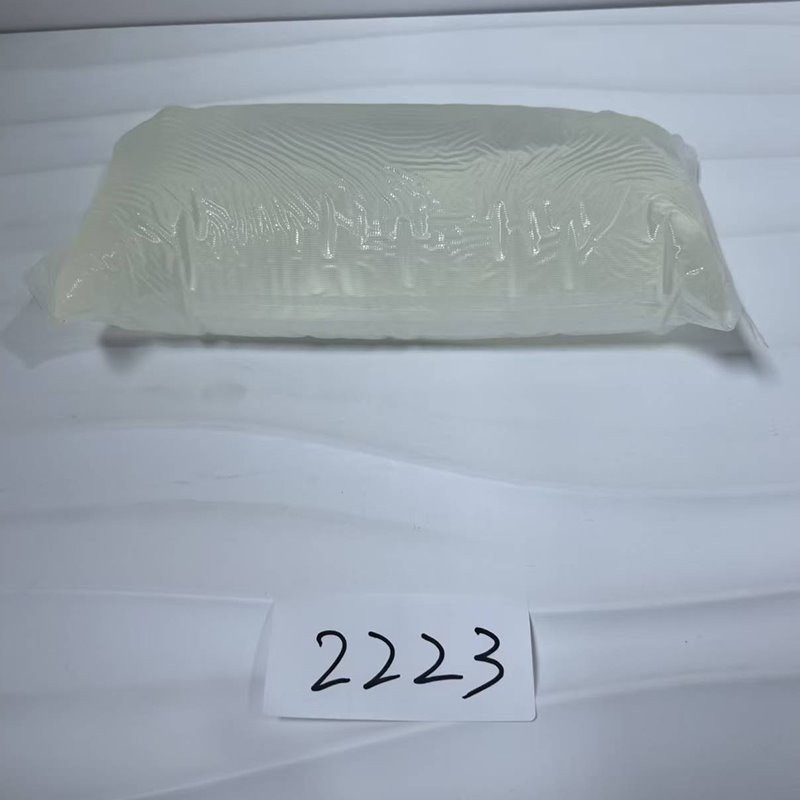

Electronics
In the electronics industry, low temperature hot melt adhesive is used to bond components and protect them from damage. The flexibility of the adhesive allows the components to move slightly without causing the bond to break, which is important for preventing damage to the delicate electronic parts.
So, how can you ensure that you're getting the most flexible low temperature hot melt adhesive for your application? Here are a few tips:
Choose the Right Adhesive
Make sure you choose an adhesive that is specifically designed for your application. Different adhesives have different properties, so it's important to select one that meets your requirements. For example, if you need an adhesive for a sanitary product, you may want to consider Adhesive Specifically for Sanitary Napkin Cores.
Follow the Manufacturer's Instructions
Always follow the manufacturer's instructions when applying and bonding the adhesive. This will ensure that you're using the adhesive correctly and getting the best results. Pay attention to factors such as temperature, pressure, and application time.
Test the Adhesive
Before using the adhesive on a large scale, it's a good idea to test it on a small sample. This will allow you to see how the adhesive performs under your specific conditions and make any necessary adjustments.
As a supplier of low temperature hot melt adhesive, we offer a wide range of products to meet your needs. Whether you're looking for Hmt Hot Melt or Water Soluble Hot Melt Adhesive, we've got you covered.
If you're interested in learning more about our low temperature hot melt adhesive products or have any questions about the flexibility of the adhesive after bonding, feel free to reach out to us. We're here to help you find the right adhesive solution for your application.
In conclusion, the flexibility of low temperature hot melt adhesive after bonding is an important factor to consider in many applications. By understanding the factors that affect flexibility and choosing the right adhesive, you can ensure that your bonded materials remain strong and flexible over time.
References
- "Handbook of Adhesives and Sealants", Second Edition, edited by Henry S. Katz and John W. Milewski
- "Adhesive Bonding: Science, Technology, and Applications", by A. V. Pocius